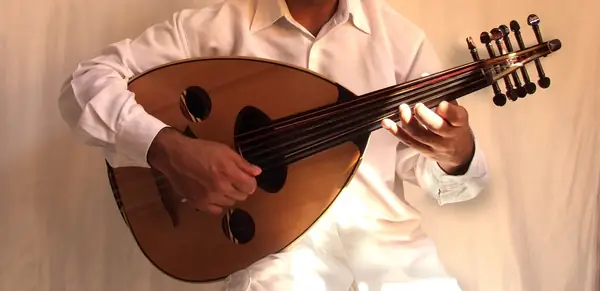
Oud
عودThe pear-shaped, fretless short-necked lute revered as the 'sultan of instruments' and the theoretical foundation of the Arabic maqam system. And a core member of any Arab takht ensemble
The melodic, percussive, and electronic instruments that define the Arabic acoustic tradition.
The pear-shaped, fretless short-necked lute revered as the 'sultan of instruments' and the theoretical foundation of the Arabic maqam system. And a core member of any Arab takht ensemble
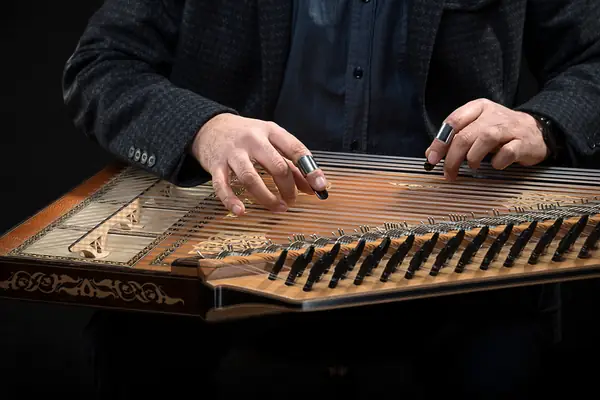
A trapezoidal plucked box zither with 78+ strings and microtonal tuning levers (mandal) that produce shimmering cascades and crystalline ornaments.
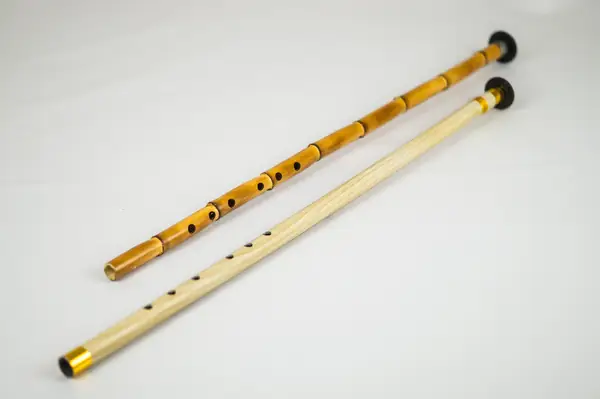
An ancient end-blown cane flute whose breathy, human-like voice and overblown registers evoke deep spiritual longing.
The piercing, nonstop double-pipe of dabke: two cane pipes played with circular breathing, the sound of every Levantine village wedding.
A loud, conical double-reed oboe whose blazing tone leads Egyptian Saidi and baladi music, folk processions and belly-dance numbers.
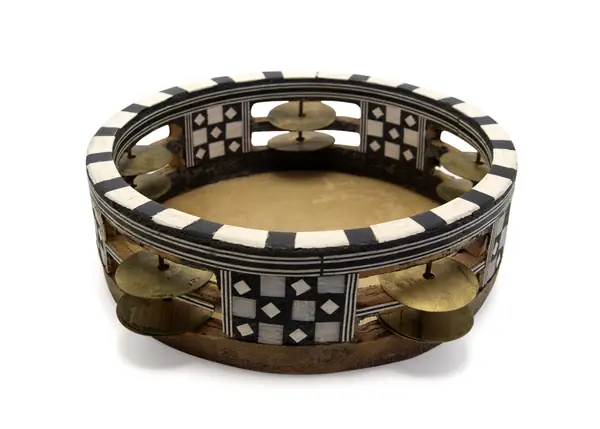
A small, virtuosic tambourine with five double pairs of brass cymbals that acts as the conductor of the classical Arabic percussion section.
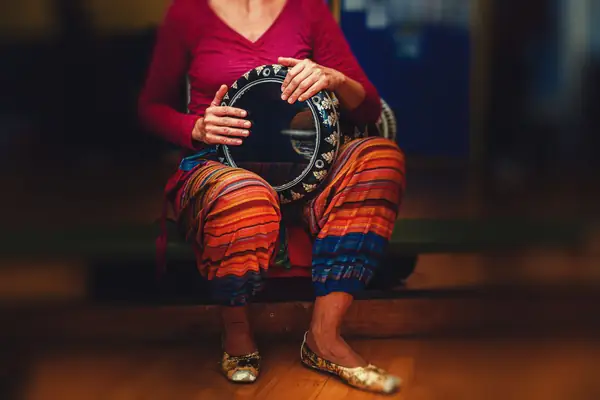
The hourglass/goblet hand drum driving Arabic dance, folk, and pop grooves with deep 'dum' bass tones and razor-sharp 'tak' rim snaps.
A wide wooden frame drum fitted with internal gut or nylon snares that impart a distinctive, warm buzzing sustain to North African and Sufi rhythms.
The large, deep frame drum of Sufi ritual, religious song and folk celebration, sometimes ringed with metal jingles, played with the fingers and palms.
The big double-headed drum, slung from the shoulder and beaten with a heavy stick and a thin switch, that pounds out the beat of dabke and Saidi folk music.
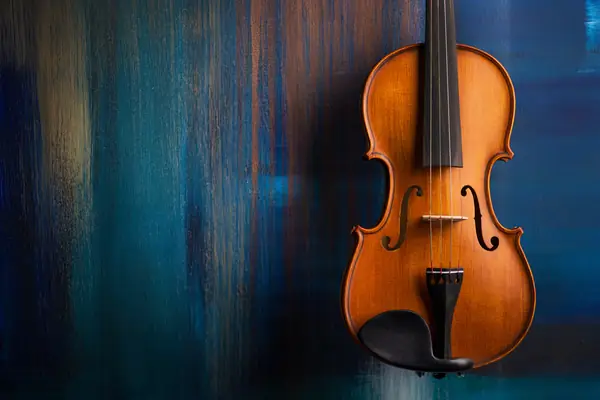
Adopted into Arabic music and retuned (often G–D–G–D) to voice weeping microtonal ornaments, orchestral unisons, and driving Maghrebi folk riffs.
A trapezoidal hammered dulcimer struck with feather-light wooden mallets, providing the shimmering harmonic and rhythmic spine of Iraqi Maqam.
The two sounds of Gnawa: the three-stringed, camel-skin guembri bass lute played by the master (Maâlem), locked into the relentless clatter of iron qraqeb castanets played by the chorus.
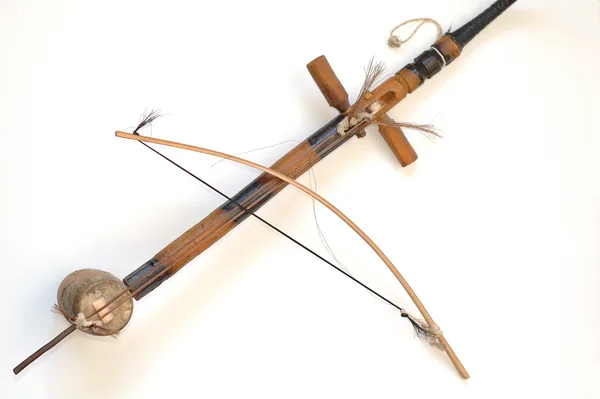
The rectangular single-stringed horsehair fiddle of the Bedouin poet-singer, accompanying desert storytelling, qasida, and coffee-hearth gatherings.
Custom-modified with microtonal reeds to bend quarter-tones, the Oriental accordion became a signature voice of Egyptian Baladi, Raqs Sharqi, and Shaabi.
Equipped with a dedicated 12-note microtonal scale converter ('comma box'), the Oriental keyboard powers modern Shaabi, Dabke, Raï, and Arabic pop.
Large unison violin, cello, and contrabass sections that give Golden Age Tarab, Arabic Symphonic Pop, and Khaleeji ballads their sweeping cinematic grandeur.
Central to the Rahbani school and modern Arabic orchestral music, bringing polyphonic harmony and impressionistic arpeggios to diatonic maqamat.