← Back to all instruments
Violin (Kamanja)
كمان / كمنجة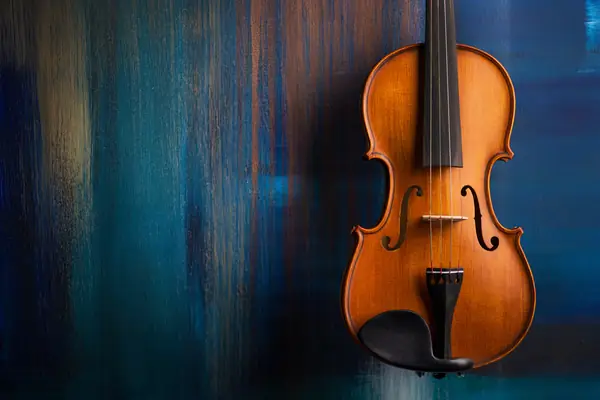
Introduced to the Middle East and North Africa in the 19th century, the Western violin largely replaced the traditional spike fiddle (kamanja) while inheriting its Arabic name and playing aesthetic. Arabic violinists typically retune the strings to G–D–G–D (open fourths and fifths) to facilitate drone resonance and octave doubling across maqamat. In Morocco and Algeria (Andalusian, Chaabi, and Malhun), players frequently hold the violin vertically on the knee, bowing with intense rhythmic bite.
Acoustic & Musical Features
- Alternate Arabic tuning (G–D–G–D) for resonant drone strings and fluid maqam shifts
- Vocabulary of slides, trills, and weeping microtonal inflections
- Played either under the chin (Mashriq/Egypt) or vertically on the knee (Maghrebi tradition)
Ensemble Role & Rhythms
- Solo taqasim, sweeping unison string introductions (muqaddima), and Maghrebi Chaabi/Andalusian suites
- Solo melodic voice in the takht, backbone of the large Tarab string section, and lead melodic driver in Moroccan Chaabi